Christopher Nolan’s *The Odyssey*: Why the Casting Choices Are Dividing the World (And What Elon Musk Said)
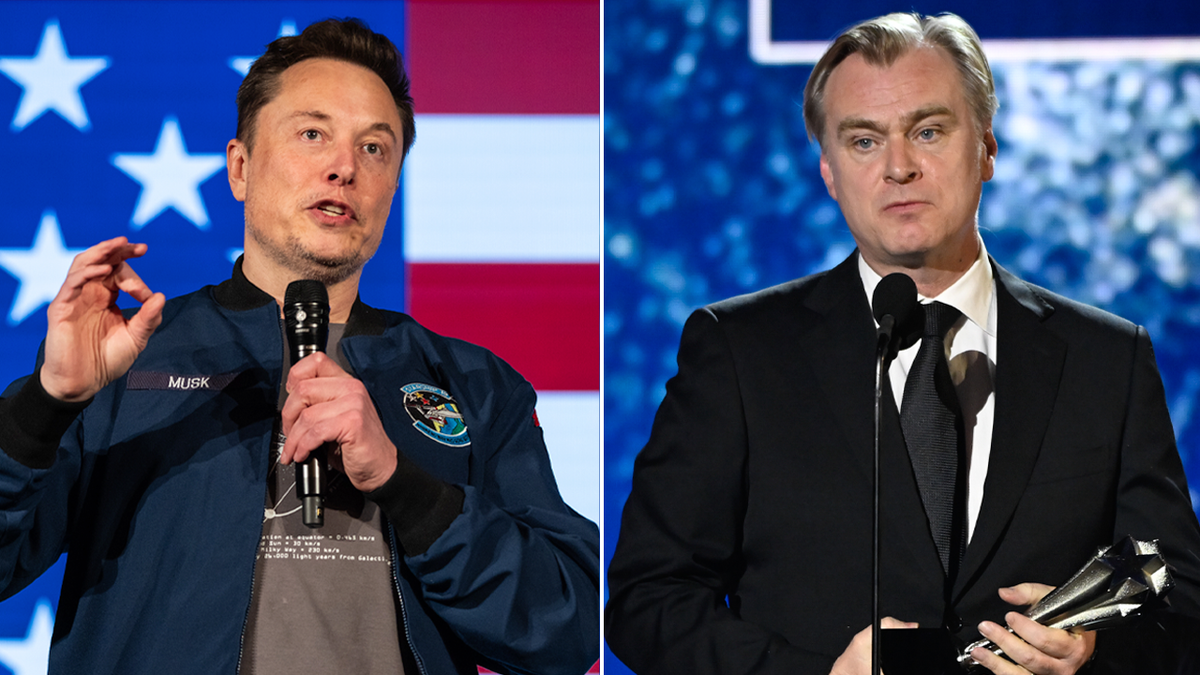
What happens when a visionary director like Christopher Nolan clashes with history, critics, and even Elon Musk over casting choices in his most ambitious film yet? The answer lies in The Odyssey—a film that’s sparking a firestorm of controversy, from Lupita Nyong’o as Helen of Troy to Travis Scott as a bard.
The Casting Choices That Broke the Internet
When Christopher Nolan revealed his casting choices for The Odyssey, the internet erupted. Among the most talked-about decisions were Lupita Nyong’o playing both Helen of Troy and her sister Clytemnestra, and Travis Scott taking on the role of a bard. While some praised these choices as bold and inclusive, others saw them as a direct affront to tradition.
Critics argued that Helen was “supposed” to be a fair-skinned blonde, echoing Elon Musk’s tweet where he accused Nolan of losing his integrity for casting Nyong’o. Meanwhile, Travis Scott’s role was met with mixed reactions—some called it a “pretentious power move,” while others saw it as an innovative nod to the evolution of storytelling.
Adding fuel to the fire were the modern accents used by Matt Damon (as Odysseus) and Tom Holland (as Telemachus), which left some viewers questioning the film’s connection to ancient Greece. The trailer, in particular, drew comparisons to a Nike ad with its casual dialogue like “Daddy” and “Let’s go.”
Nolan defends these choices as an effort to make the story more accessible, but the backlash has been fierce. The debate isn’t just about diversity; it’s about what it means to reinterpret ancient myths for modern audiences.
Elon Musk’s Brutal Critique: ‘Oscars Over Art’?
When Elon Musk criticized Christopher Nolan on Twitter, calling his casting decisions a “disgrace to Homer,” it wasn’t just a personal attack—it was a cultural grenade. The controversy over The Odyssey has become a battleground for larger conversations about art, identity, and historical accuracy.
Nolan, known for his meticulous storytelling, argued that his choices were meant to honor the global roots of mythology. But Musk’s tweet—“Chris Nolan has lost his integrity”—resonated with a chorus of critics who saw pandering rather than passion.
The backlash reached new heights when Travis Scott was cast as a bard, with some calling it a “hipster” move and others praising it as a tribute to rap’s oral tradition. The internet responded with memes and hashtags like #OscarsOverArt, turning the debate into a modern-day soap opera.
Meanwhile, The View jumped in, with Whoopi Goldberg quipping that critics should “just not watch the movie,” while Sunny Hostin highlighted Greece’s historical ties to Africa. The controversy has only deepened as the release date approaches.
The Western Sahara Controversy: Colonialism on Screen?
Filming in Western Sahara—a region under Moroccan occupation since the 1970s—has added another layer of criticism to The Odyssey. Activists argue that Nolan’s decision to shoot there normalizes colonialism, while the production team claims it was a neutral choice.
The Sahrawi people, who have long fought for independence, see the film’s presence in Dakhla as a betrayal. FiSahara, a festival celebrating Sahrawi culture, called the move a “betrayal,” accusing Nolan of ignoring the region’s struggles.
For them, The Odyssey isn’t just a story—it’s a reflection of larger global issues. By filming in Western Sahara, the production risks becoming complicit in a system that has silenced indigenous voices for decades.
Nolan’s Defense: ‘This Is How Stories Evolve’
Nolan remains unapologetic about his vision, comparing The Odyssey to Interstellar, where he bent physics to explore human emotion. “Creative freedom over historical accuracy” is his mantra—and it’s a bold one at that.
He sees Travis Scott’s role as a natural evolution of oral tradition, just as rap is the successor to bardic poetry. To him, casting Lupita Nyong’o isn’t about erasing history but expanding it. The Trojan War wasn’t just a Greek tale—it was shaped by cultures across continents.
The backlash, he says, comes from a fear of change. People want myths to stay “pure,” but purity isn’t the point. Stories survive because they mutate. The Odyssey isn’t a museum exhibit; it’s a living, breathing thing—and Nolan is determined to show it in all its cracked and complex beauty.
Conclusion
Christopher Nolan’s The Odyssey isn’t just a film—it’s a cultural lightning rod, forcing us to ask hard questions about art, history, and representation. Whether you’reTeamNolan or part of the backlash, one thing is clear: this movie isn’t just about Odysseus’s journey—it’s about ours.
Will you watch The Odyssey with open eyes, or will you side with those who say it’s a betrayal of the past? The answer may define how you see art itself.
References
- Nolan confirms controversial casting for The Odyssey amid
- Elon Musk Slams Christopher Nolan Amid The Odyssey Casting
- Christopher Nolan defends backlash to ‘Odyssey’ casting
- Film Threat: Versus: Christopher Nolan’s The Odyssey
- Christopher Nolan's Odyssey casting isn't an issue,
- Christopher Nolan's The Odyssey Hit With Filming